
The way Americans celebrate Thanksgiving largely originated with the Civil War. In 1863, President Abraham Lincoln proclaimed a day of thanksgiving on the last Thursday of November to help heal the wounds of the nation and restore peace.
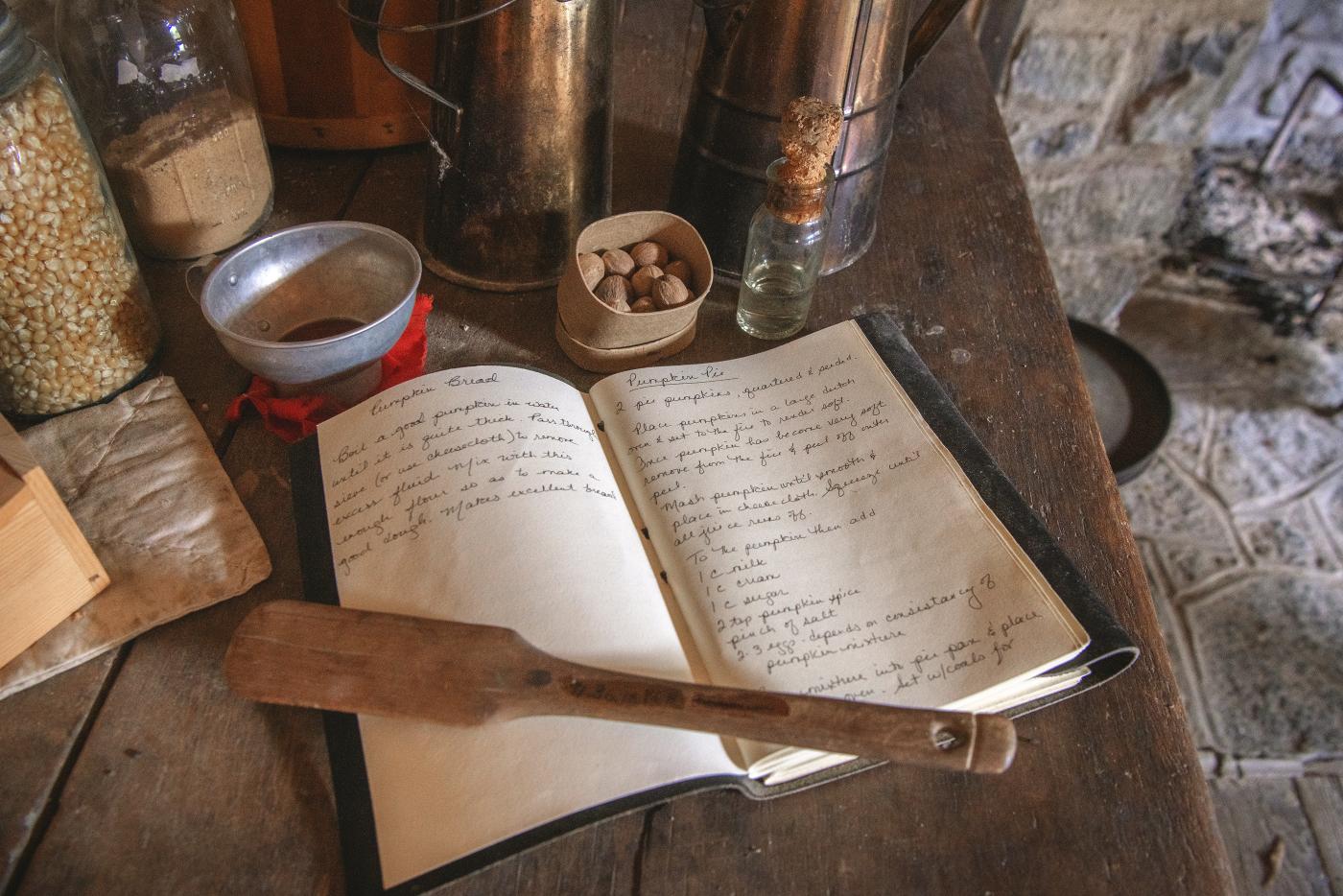
Explore the origins and evolution of the Thanksgiving holiday on Saturday, Nov. 21, at Bennett Place State Historic Site. From 11 a.m.-3 p.m., visitors to the “Thanksgiving: Culinary and Cultural History” program are invited to visit a variety of free-flowing stations such as crafts, games, soldiers’ camp, hearth cooking, a historic recipe exchange, cultural foodways, the history of the holiday, and more. Bennett Place is administered by the Division of State Historic Sites within the N.C. Department of Natural and Cultural Resources (DNCR).
Admission to the event is free, however, a $10 donation per adult is recommended. The Alliance for Historic Hillsborough will sell barbecue from the Hillsborough BBQ Company as a joint fundraiser benefitting both the Alliance and Bennett Place.
About Bennett Place State Historic Site
Once the home of James and Nancy Bennett, this 189-acre farm in the North Carolina Piedmont became the location of the largest surrender of Confederate soldiers in the American Civil War. Over the course of three days in April 1865, General William T. Sherman and General Joseph E. Johnston deliberated the terms of surrender and peace, which helped reunite this country. Today, the Bennetts' reconstructed farmhouse, kitchen, and smokehouse recall the lifestyle of an ordinary Southern farmer during the Civil War. Bennett Place State Historic Site is located at 4409 Bennett Memorial Rd., Durham, NC 27705.
About the North Carolina Department of Natural and Cultural Resources
The N.C. Department of Natural and Cultural Resources (DNCR) manages, promotes, and enhances the things that people love about North Carolina – its diverse arts and culture, rich history, and spectacular natural areas. At more than 100 sites across the state, the department enhances education, stimulates economic development, improves public health, expands accessibility, and strengthens community resiliency. For more information, please visit www.dncr.nc.gov.