
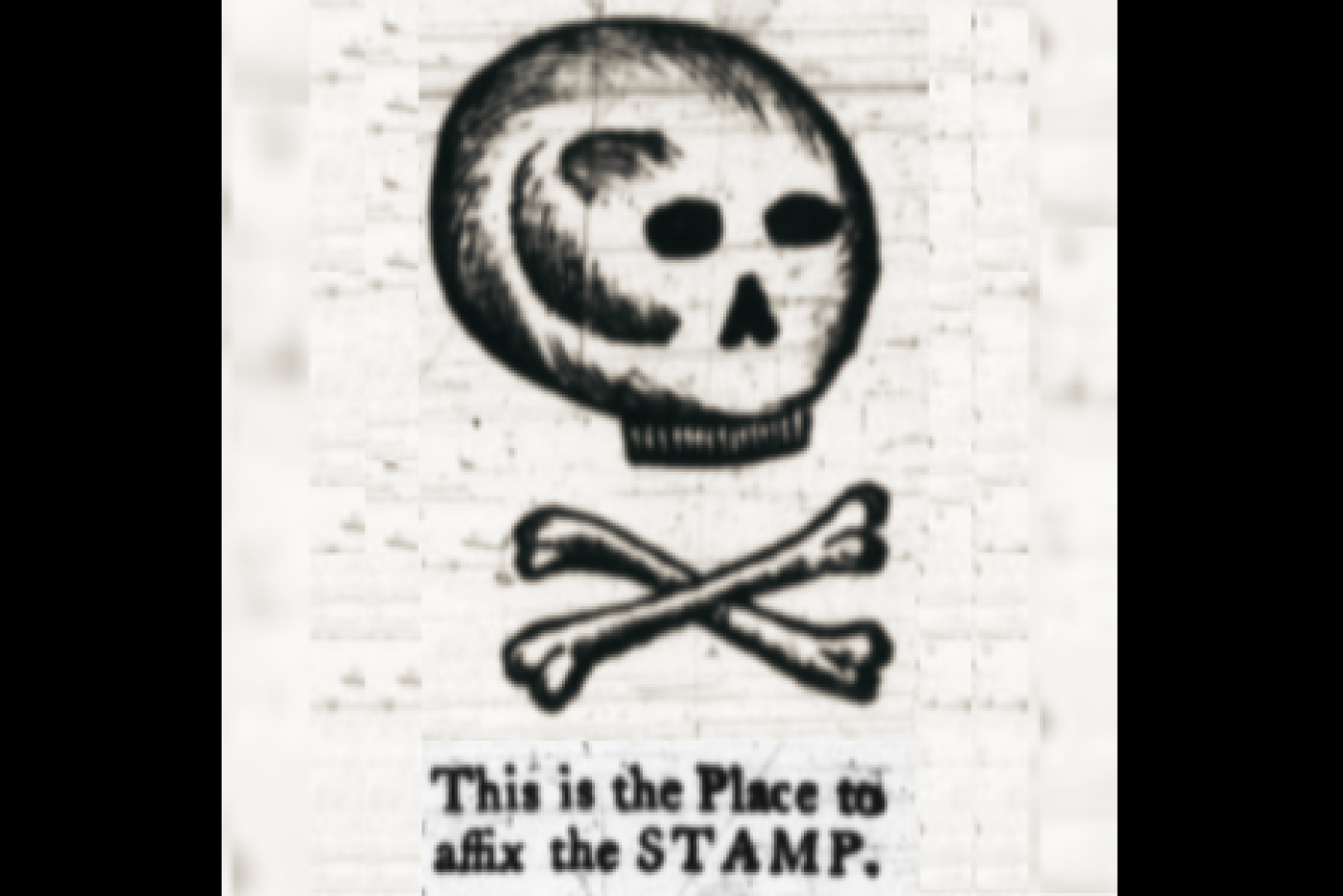
A new online exhibit from the N.C. Department of Natural and Cultural Resources explores how North Carolinians challenged British authority in the years leading up to the American Revolution. “Stamp Act Resistance in Colonial North Carolina” launches Nov. 16, the anniversary of the 1765 protest that forced North Carolina’s stamp master, William Houston, to resign his office.
The exhibit features more than 60 newly transcribed and searchable historical documents that tell the story of North Carolina’s response to the Stamp Act of 1765, an unpopular British law that sparked protests throughout the American colonies. Visitors can explore the origins of the act, why North Carolinians opposed it, how demonstrations escalated into what became known as the “Stamp Act Mob,” and how the law’s repeal helped set the stage for the American Revolution a decade later.
Part of the state’s ongoing America 250 commemoration, the exhibit offers an opportunity to explore the people, events and political tensions that shaped North Carolina during the years before independence.
Explore the exhibit at MosaicNC.org/stamp-act.
About MosaicNC
MosaicNC is the online home for digital exhibits about North Carolina history. Featuring interactive exhibits and transcribed primary sources, the site explores topics ranging from the Lost Colonists to the Space Race. It is produced by the Historical Digital Publications Office, part of the Office of Archives and History at DNCR. F
About the North Carolina Department of Natural and Cultural Resources
The N.C. Department of Natural and Cultural Resources (DNCR) manages, promotes, and enhances the things that people love about North Carolina – its diverse arts and culture, rich history, and spectacular natural areas. At more than 100 sites across the state, the department enhances education, stimulates economic development, improves public health, expands accessibility, and strengthens community resiliency. For more information, please visit www.dncr.nc.gov.