
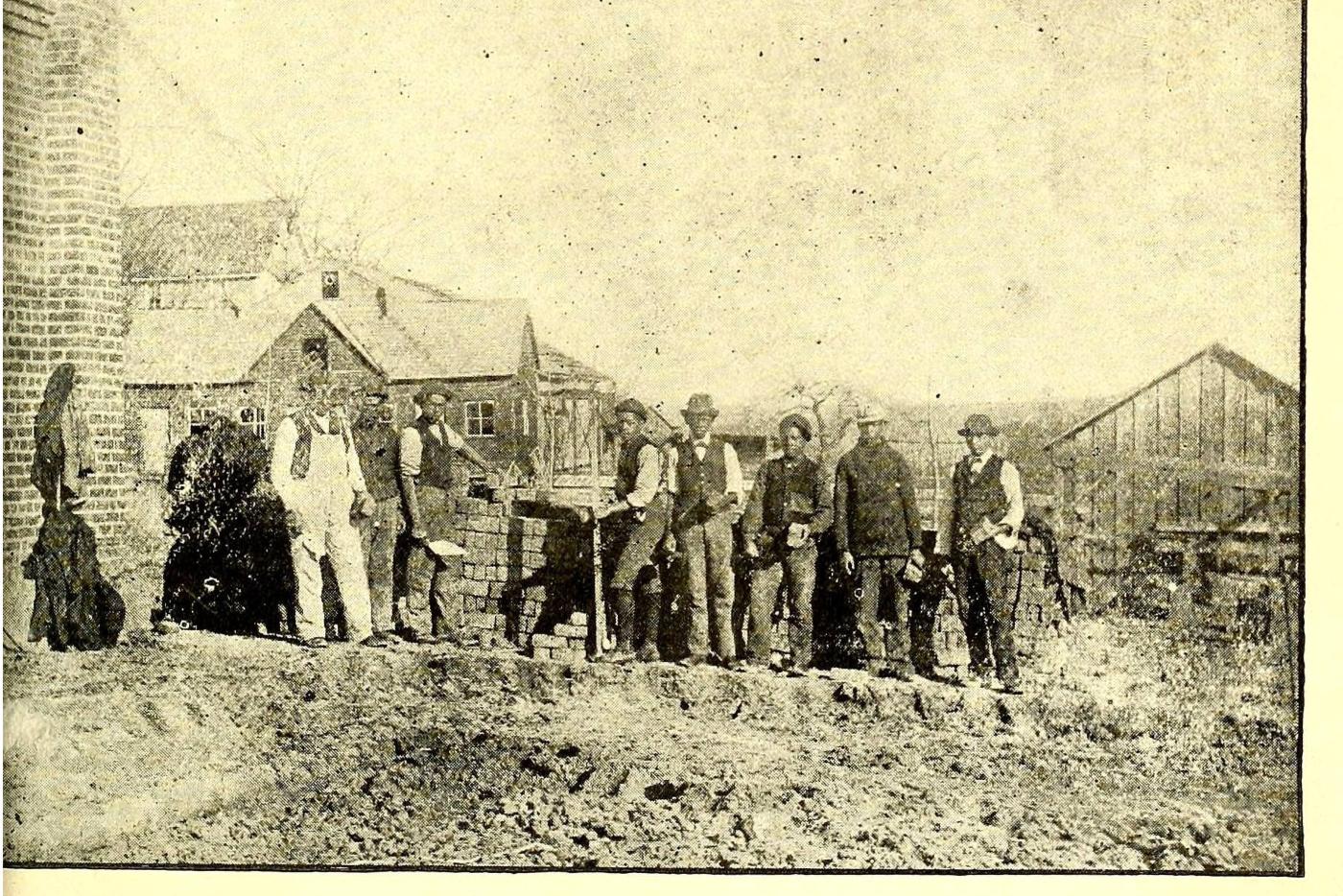
The North Carolina State Capitol will host a free educational program titled “Built To Last: The N.C. State Capitol,” on Wednesday, March 25 from 10 a.m.- 3 p.m. This interactive learning experience will explore the 19th-century trades and skilled labor that constructed the historic building from 1833-40. All activities will take place outside on the west grounds of the Capitol, rain or shine. The State Capitol is administered by the Division of State Historic Sites, within the N.C. Department of Natural and Cultural Resources.
Through a series of interpretive stations, visitors will learn about the craftspeople and laborers whose work shaped the Capitol, including stone masons, brickmakers, carpenters, blacksmiths, and coppersmiths. The program highlights how locally sourced materials and specialized trades were used to construct one of North Carolina’s most recognizable historic structures. Participants will discover how granite was quarried and cut for the Capitol’s walls, how bricks were molded and fired for the building’s foundation, and how blacksmiths forged the tools necessary for construction. Additional stations will explore carpentry and joinery techniques used in the building’s framework and the craftsmanship behind the Capitol’s iconic copper dome. The program also emphasizes the diverse workforce that built the Capitol. More than 300 men worked on the project, including enslaved African Americans, free Black and white craftsmen, and immigrant laborers. This event is open to the public and registration is not required.
The State Capitol’s mission is to preserve and interpret the history, architecture, and function of the 1840 building and Union Square. It is located at 1 E. Edenton St., in Raleigh. For additional information, please call 984-867-8340 or visit https://historicsites.nc.gov/capitol.
About the North Carolina Department of Natural and Cultural Resources
The N.C. Department of Natural and Cultural Resources (DNCR) manages, promotes, and enhances the things that people love about North Carolina – its diverse arts and culture, rich history, and spectacular natural areas. At more than 100 sites across the state, the department enhances education, stimulates economic development, improves public health, expands accessibility, and strengthens community resiliency. For more information, please visit www.dncr.nc.gov.