
Statewide progress snapshot since 2020
acres conserved
acres of forest and wetland restored
urban trees planted
Why are we collecting and reporting this information?
Executive Order 305 to restore North Carolina's natural and working lands (NWL) set the following statewide goals to be accomplished by 2040:
- To permanently conserve one million new acres of North Carolina’s natural lands, with a special focus on wetlands, as measured from the year 2020.
- To restore or reforest one million new acres of North Carolina’s forests and wetlands, as measured from the year 2020.
- To plant one million trees in urban regions of the state as measured from the year 2020.
EO 305 uses the National Research Council's 1992 definition of restoration, or "the return of an ecosystem to a close approximation of its condition and function prior to disturbance." While restoration of full previous ecological function may not be possible, projects should put sites on a path to improved habitat quality and ecological function.
2026 was the first year that North Carolina Department of Natural and Cultural Resources requested restoration project information. If you don't think your work has been represented, please submit it above!
Restoration and Reforestation Snapshot by County, 9/2026
Click on a county to see total reported acreage
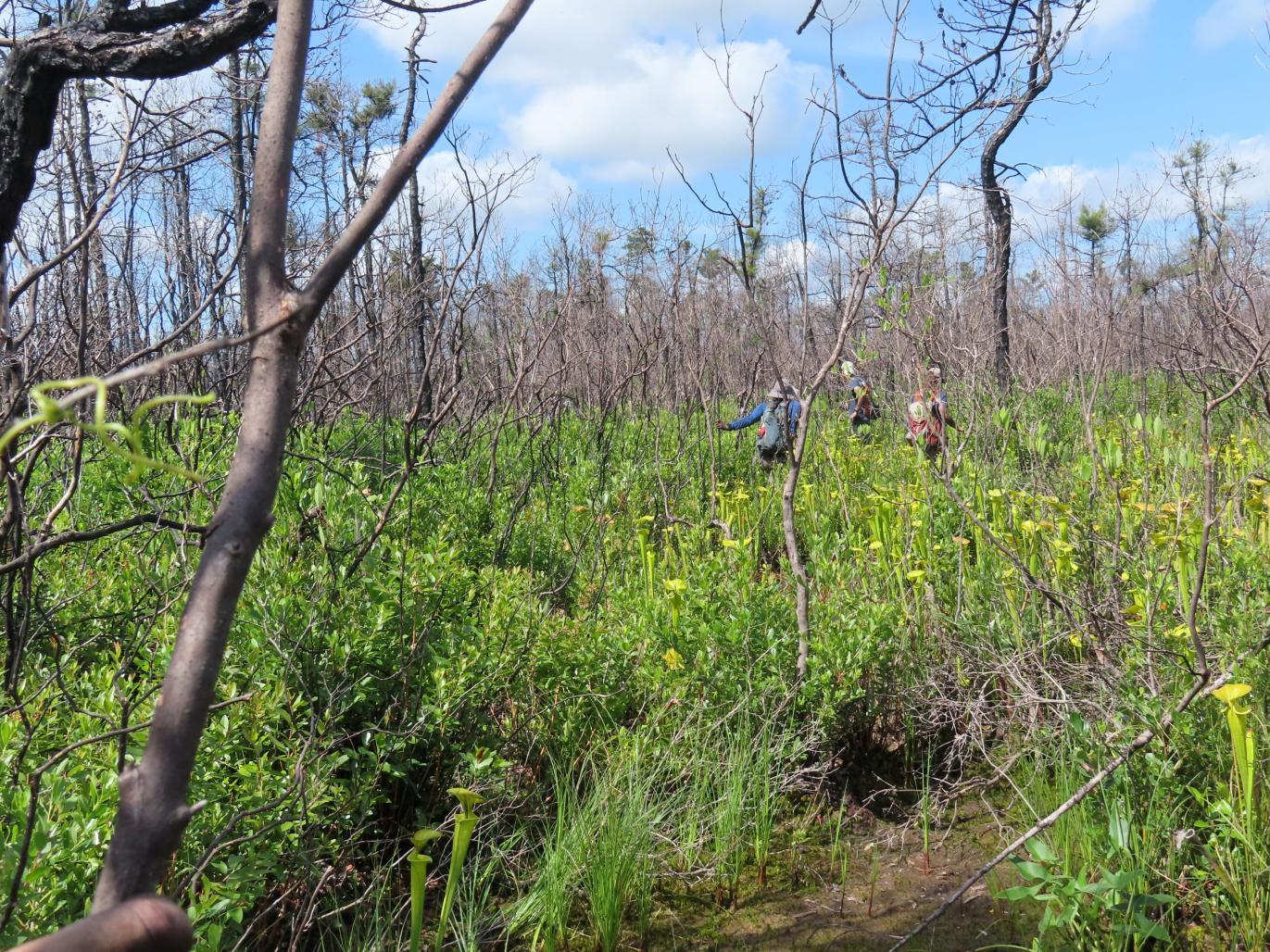
Example wetland restoration and reforestation project types
- Hydrologic restoration (e.g., of peatlands)
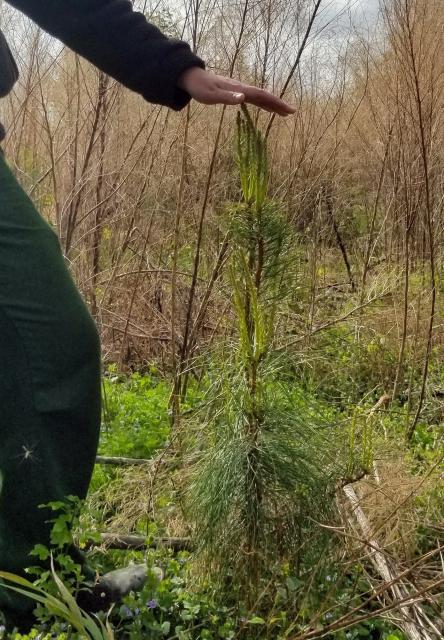
- Replanting longleaf pine forest
- Replanting riparian buffers and bottomland forest
- Reconnecting streams with floodplains
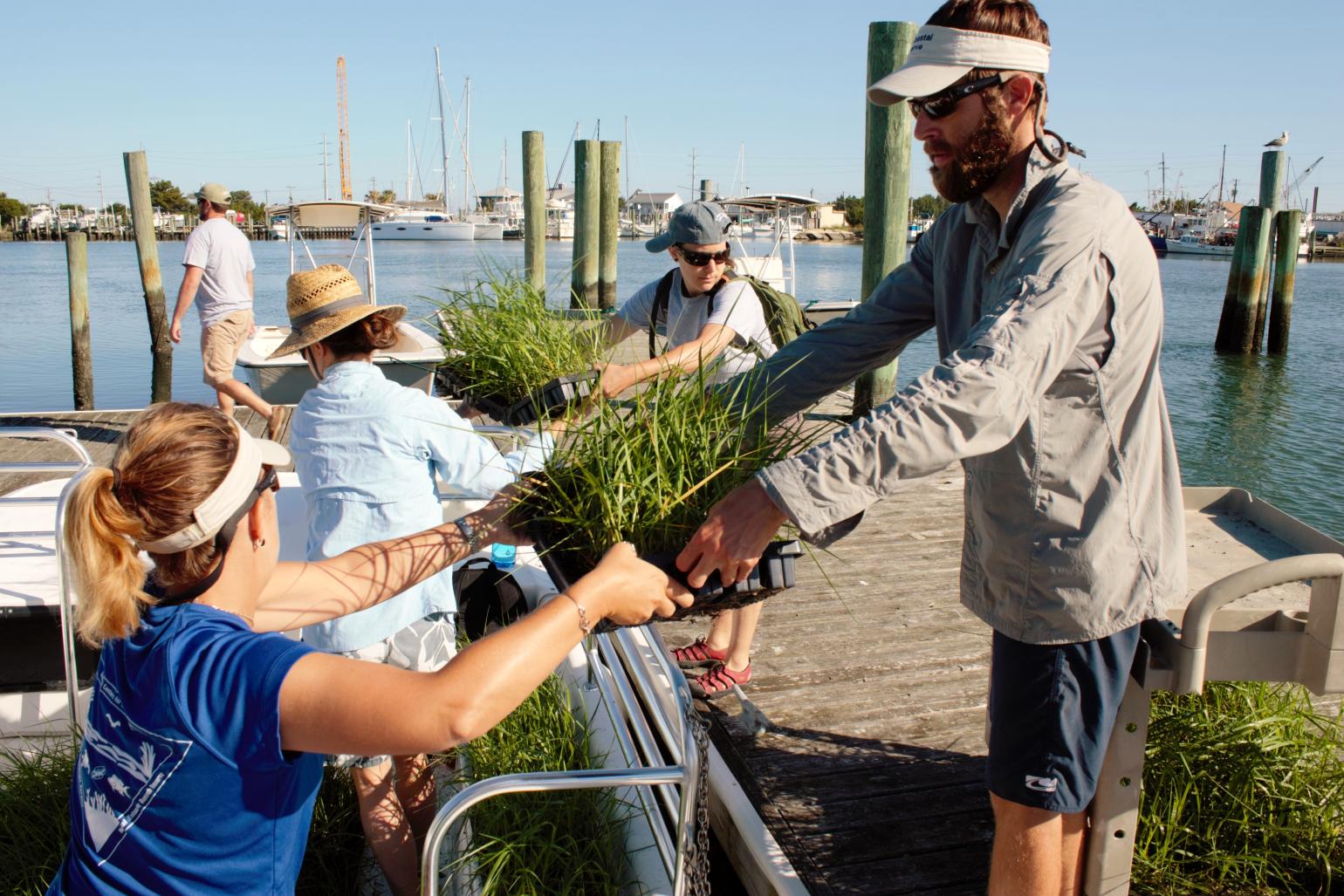
- Replanting native wetland vegetation
- Small forest landowners' cost-share planting
- Breaching berms to restore wetlands
- Prescribed burning in conjunction of planting of desired species
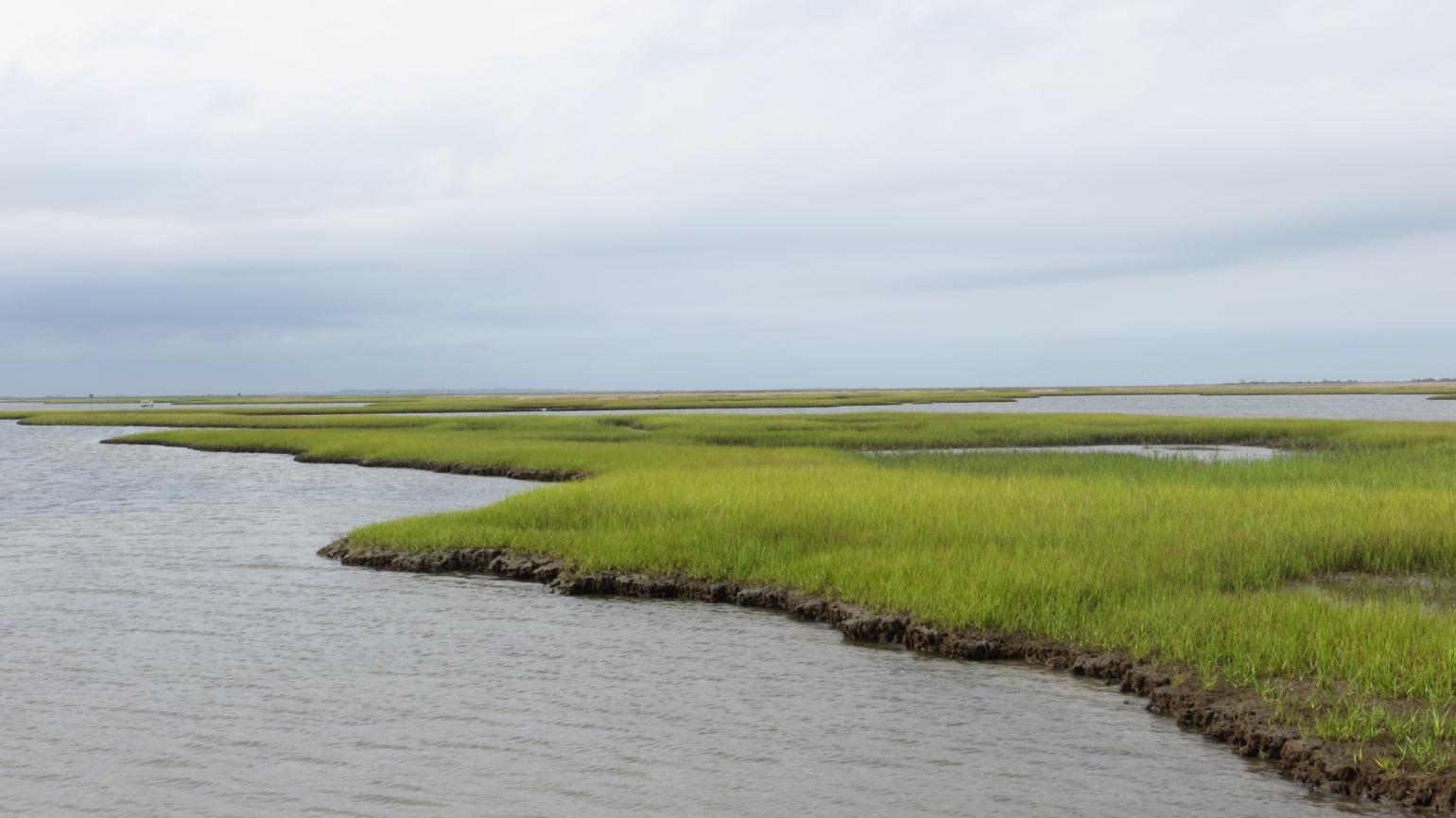
- Implementing living shorelines to protect/restore salt marsh
Conservation, Restoration, and Tree Planting in Pictures
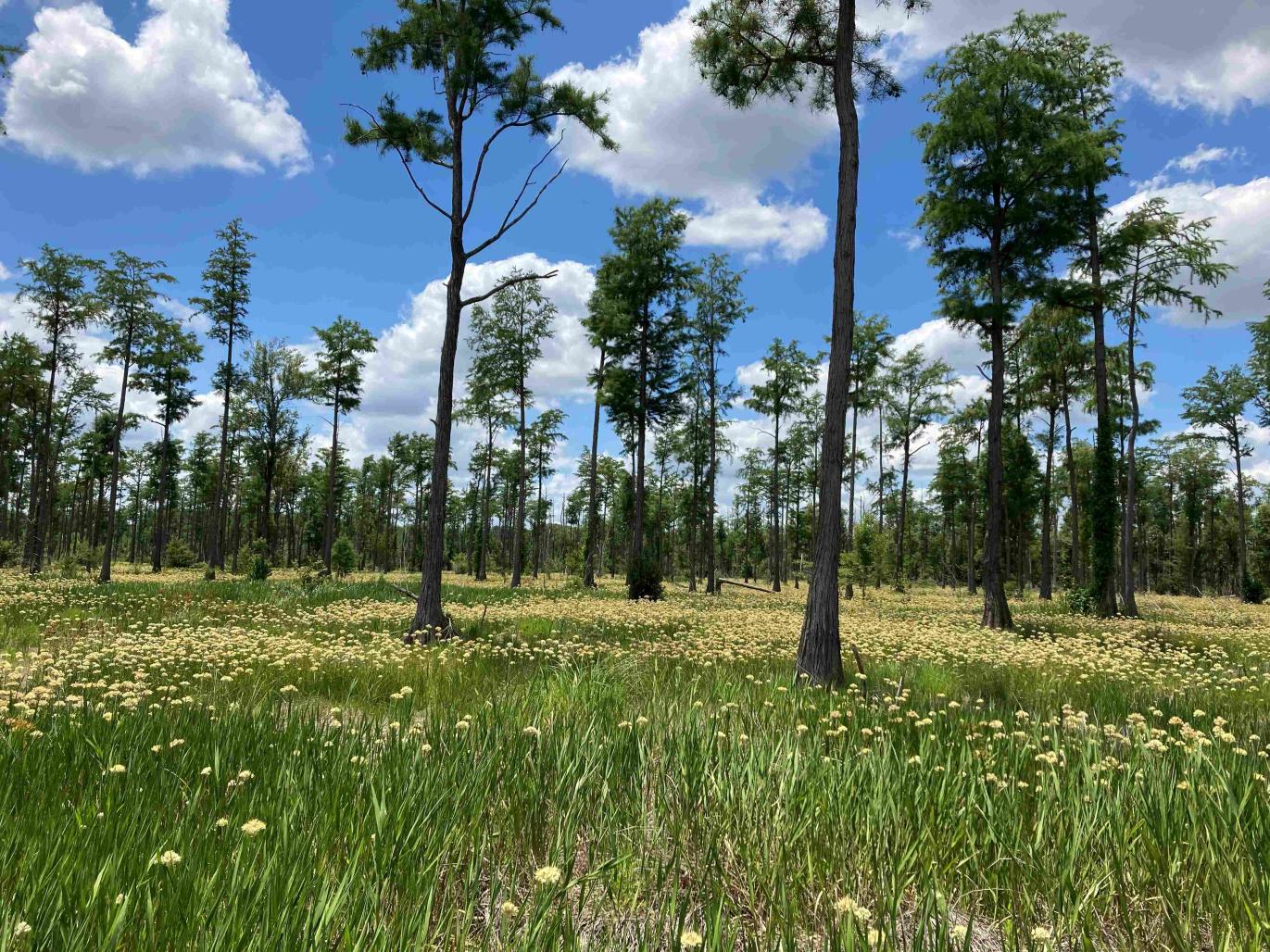
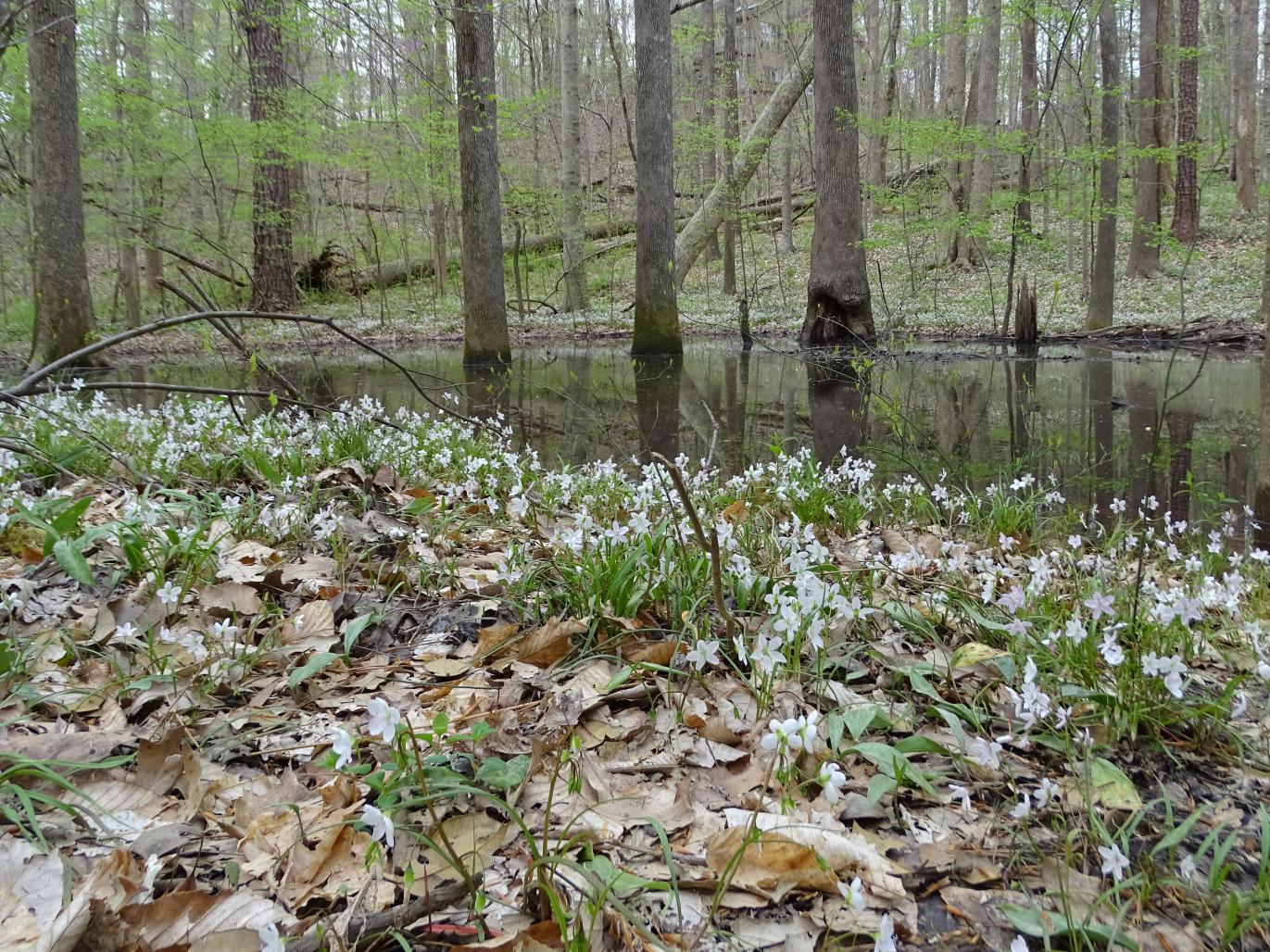
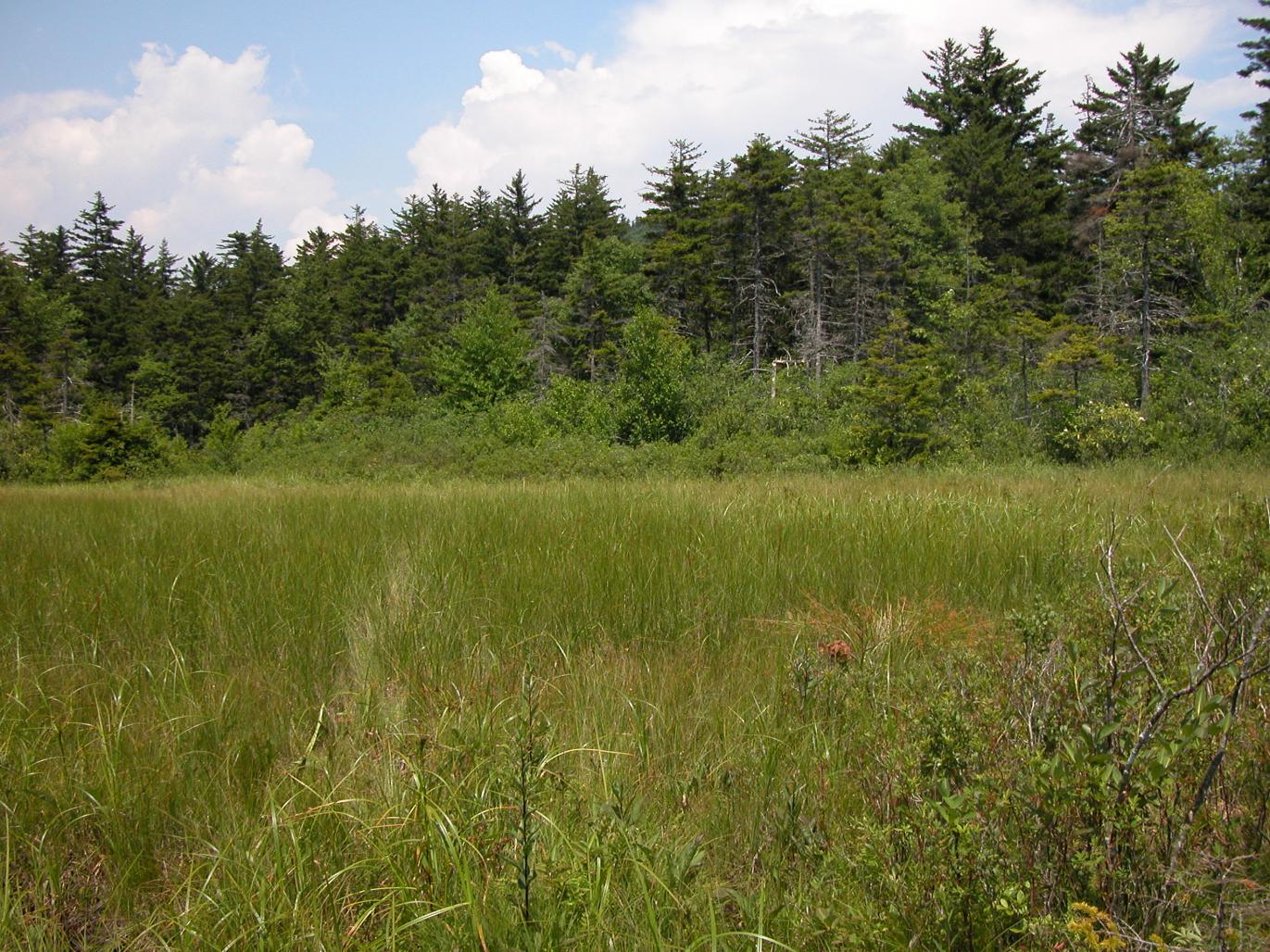
Thank you for the work you do and for taking the time to share it with us!
This project has been funded wholly or in part by the United States Environmental Protection Agency under assistance agreement 3D25824 to the North Carolina Department of Natural and Cultural Resources. The contents of this document do not necessarily reflect the views and policies of the Environmental Protection Agency, nor does the Environmental Protection Agency endorse trade names or recommend the use of commercial products mentioned in this document, as well as any images, video, text, or other content created by generative artificial intelligence tools, nor does any such content necessarily reflect the views and policies of the Environmental Protection Agency EPA.
All photos by NC Natural Heritage Program staff unless otherwise specified.
This Story Map is for administrative tracking purposes only and is not intended to guide decision‑making. All information displayed is intended solely for monitoring progress and should not be interpreted as guidance or policy direction.
Last updated 11.2026
Questions? natural.heritage@dncr.gov