Place-based learning has become one of the most meaningful parts of my teaching because it allows students to experience history, geography, and culture as something lived rather than simply learned. When students step outside the classroom and into the places that shaped our state, learning becomes tangible, emotional, and lasting. So at the start of this year, I set a goal to immerse my students in as many of North Carolina’s most educational spaces as possible. With the year only halfway through, it’s already clear that these experiences show students North Carolina is more than a topic in a textbook. It’s a place they can walk through, climb, paddle across, and truly connect with.
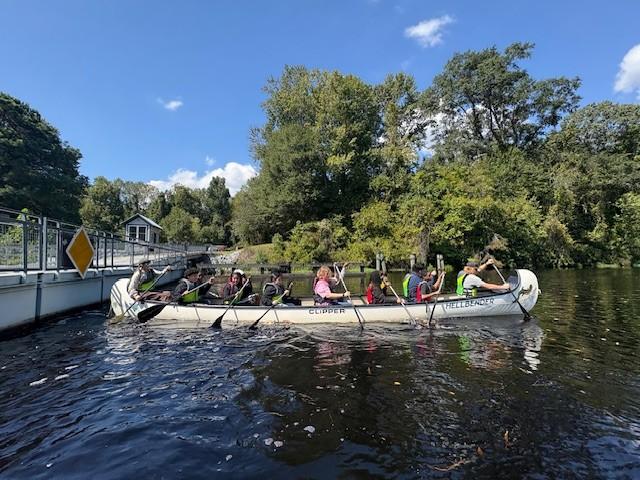
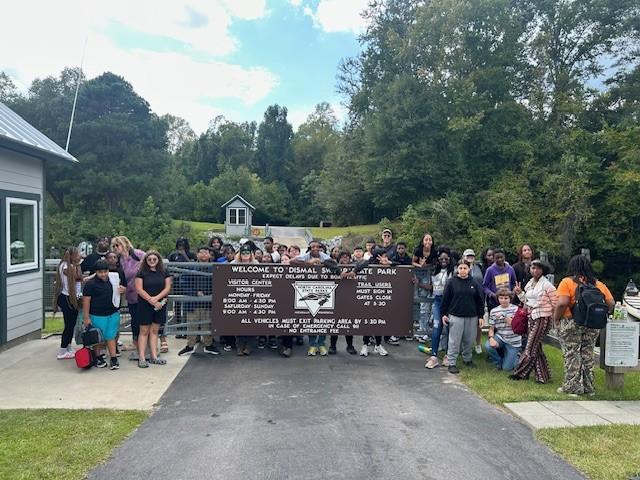
One of the most transformative adventures we’ve taken was to the Great Dismal Swamp State Park. Canoeing through the swamp transformed abstract discussions about environment, labor, and human life throughout history. Students could see how the landscape itself shaped human decisions and survival. Afterward, conversations reflected a deeper understanding not only of the swamp’s history but also of how geography influences culture and opportunity.
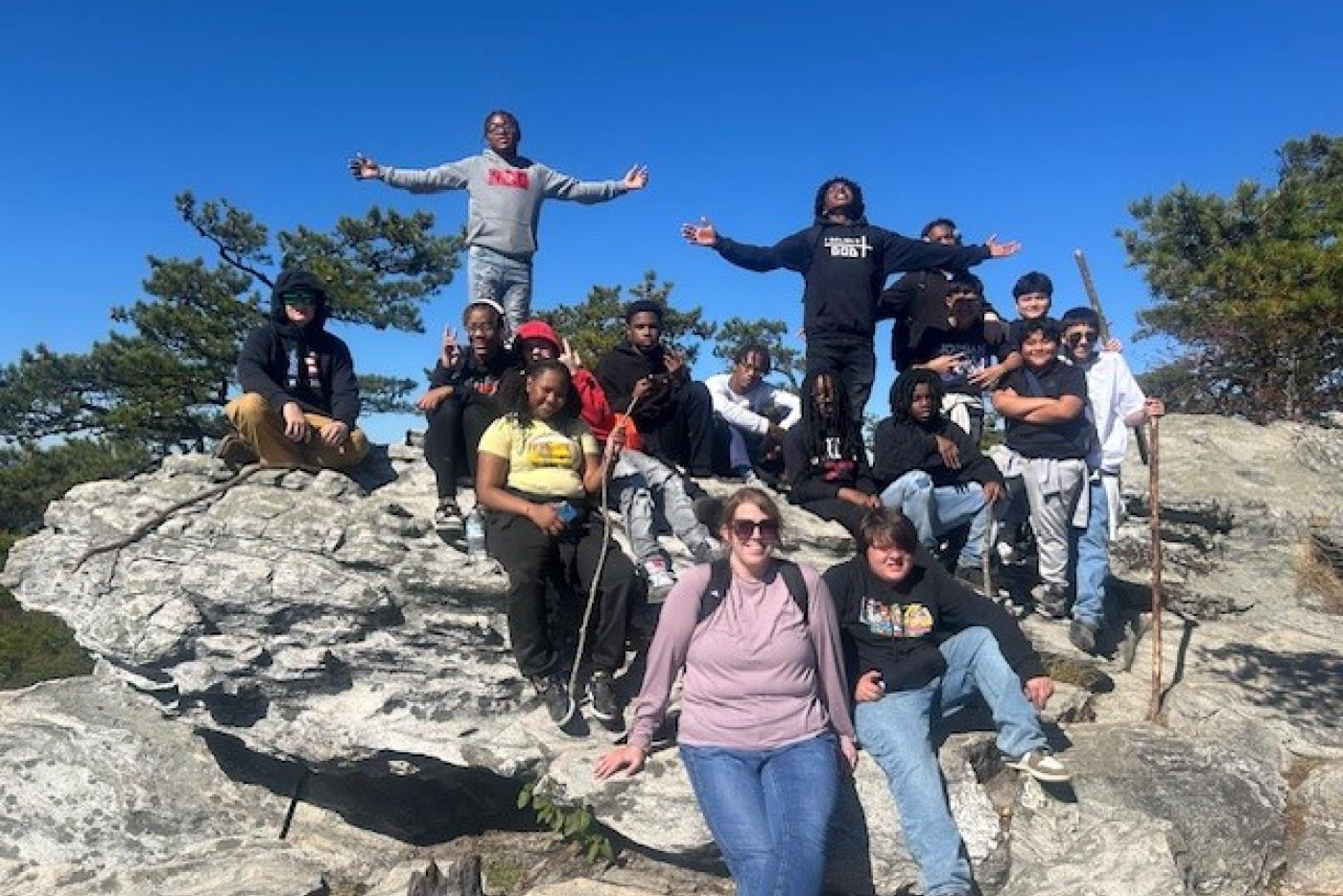
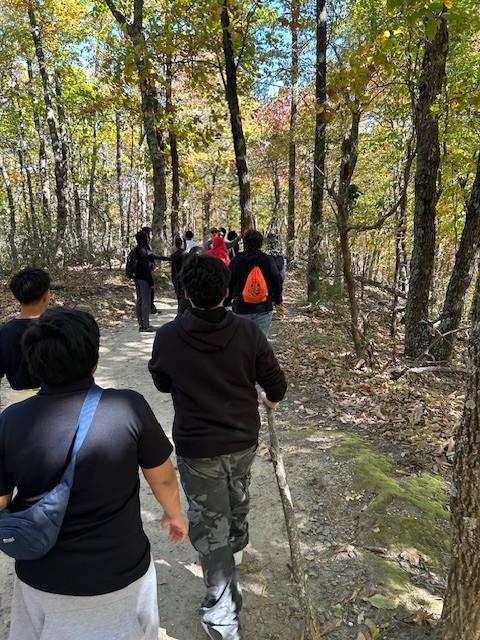
Similarly, hiking to the summit at Hanging Rock State Park pushed students physically while also encouraging reflection. Standing at the top, many gained a new appreciation for North Carolina’s natural beauty and expressed pride in their state and curiosity about how such landscapes were preserved.
At the Museum of the Albemarle, learning about Algonquian peoples grounded early North Carolina history in real voices and artifacts. Students moved beyond seeing Indigenous communities as a distant past and instead recognized them as foundational to the state’s story.
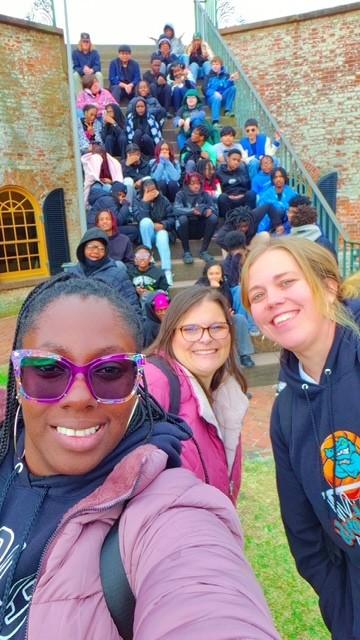
At Fort Macon, watching a musket firing demonstration brought military history to life in a way no video could. The sound, smell, and precision sparked thoughtful questions about daily life, conflict, and technological change.
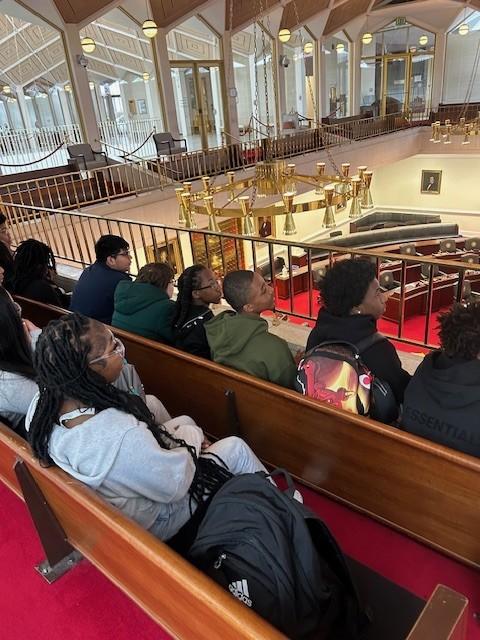
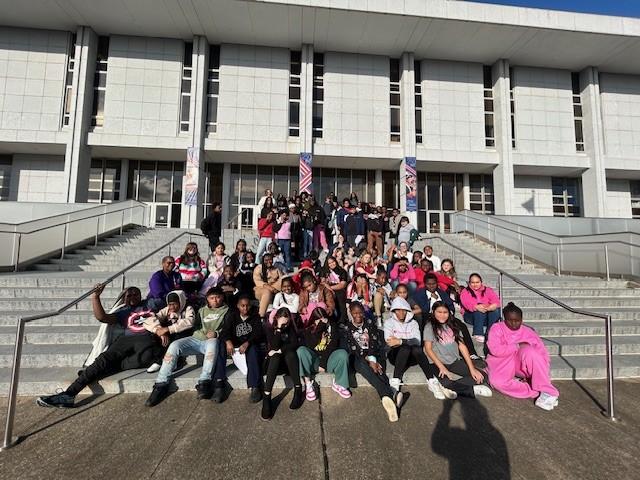
Most recently in January, students visited the Legislative Building, the State Capitol, the North Carolina Museum of Natural Sciences, and the State Archives. These experiences helped students see how history, government, and science intersect in real and practical ways. Walking through the halls where laws are debated and preserved gave students a clearer understanding of how the past informs present decision making. At the State Archives, students engaged with primary sources that made history feel personal and relevant, while the Science Museum encouraged curiosity and hands-on exploration that connected innovation to the state they call home.
What has stood out most is how these experiences strengthen students’ sense of belonging. They begin to see themselves as part of an ongoing state narrative rather than passive observers of history. Looking ahead, upcoming trips to the Charlotte Hawkins Brown Museum, the CSS Neuse Civil War Museum in Kinston, and Jockey’s Ridge State Park will continue this pattern. Each site offers students opportunities to connect history, culture, and science that they study in the classroom to places they can stand in and remember.
Place-based learning has shown me that meaningful education does not always happen at a desk. Sometimes it happens in a canoe, on a summit, or beneath shifting dunes. Each of these sites are managed by the North Carolina Department of Natural and Cultural Resources (DNCR), which provides free admission and educational programming for students on field trips. As a 2025 America 250 NC Fellow with DNCR, I learned about these opportunities through shared experiences with my cohort as we explored places like Tryon Palace, Brunswick Town/Fort Anderson, the Maritime Museum at Southport, and more. DNCR has helped shape my understanding of what is possible for students and inspired me to bring the same sense of discovery, access, and connection I experienced in the Fellowship back to my classroom. Place-based learning reminds me that when students connect with the landscapes and stories of North Carolina, they don’t just learn about history and the uniqueness of our state; they become part of it.
Elizabeth Muller is a dedicated educator and proud North Carolinian with a passion for history and student engagement. Elizabeth currently teaches 8th-grade social studies in Martin County, where she is committed to fostering meaningful relationships with her students and inspiring a lifelong love of learning. In addition to her work in the classroom, she coaches basketball and track, all while embracing the joys and challenges of being a mom to her five-year-old son. As a current 2025 America 250 NC Fellow with DNCR, Elizabeth is enthusiastic about collaborating with diverse communities to spark inquiry and deepen historical understanding among her students.