Our time at Gorges State Park took learning out of the classroom and into the beautiful mountains around us. The experiences and environment gave students of all learning levels and backgrounds a time to shine. - Stephanie Bell, Rosman Elementary School
Learning in the classroom is critical to a student’s success, but learning outside the classroom can be just as transformative. When thoughtfully designed, field trips offer more than a break from routine; they become powerful, hands-on learning experiences that foster curiosity, creativity, and connection.
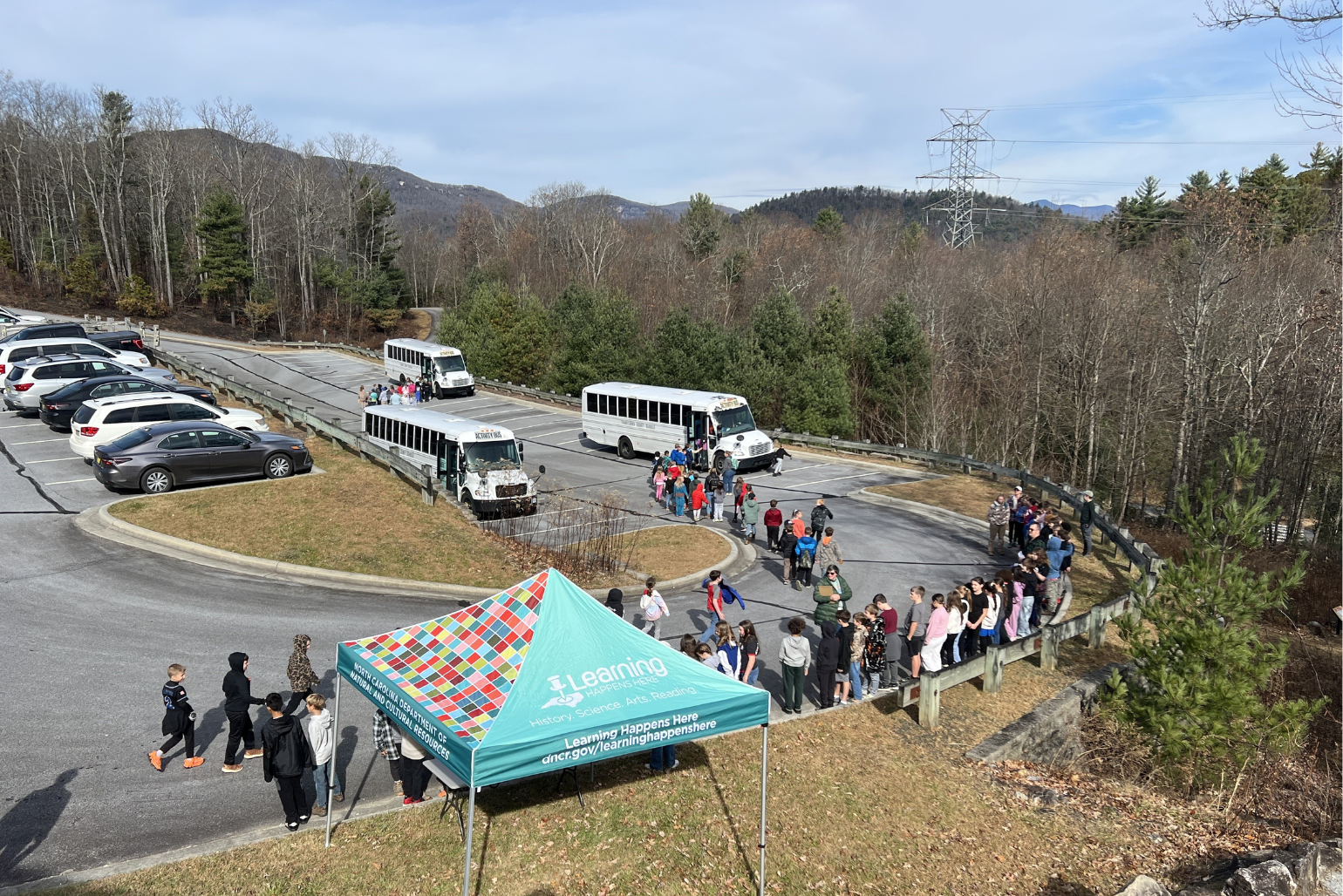
This fall, the North Carolina Department of Natural and Cultural Resources (DNCR) brought that vision to life through a new, multidisciplinary field trip program hosted at Gorges State Park in western North Carolina. Over two sunny November days, 317 students in grades 3–8 from Clay, Macon, and Transylvania counties participated in a unique educational experience, most of them exploring Gorges State Park for the first time, and some traveling beyond their county lines for the first time.
This place-based learning initiative, “Rooted in Resilience,” was born from conversations with western NC educators who shared how deeply their students had been affected by recent disruptions, including the long-term impacts of Hurricane Helene. Teachers reported interrupted instruction, emotional strain, and a basic need for joy. In response, DNCR’s Office of K–12 Education and Outreach envisioned a program that would bring as much of that joy as possible, while also delivering meaningful, standards-aligned learning across disciplines.
Six months of planning followed. With the support of Gorges State Park staff, especially Ranger Melanie and Superintendent Kevin, the DNCR team coordinated logistics, recruited presenters from across the agency, and worked with schools to ensure financial barriers wouldn’t prevent participation. Thanks to the Learning Happens Here Field Trip Fund, travel and participation costs were covered for all five participating schools.
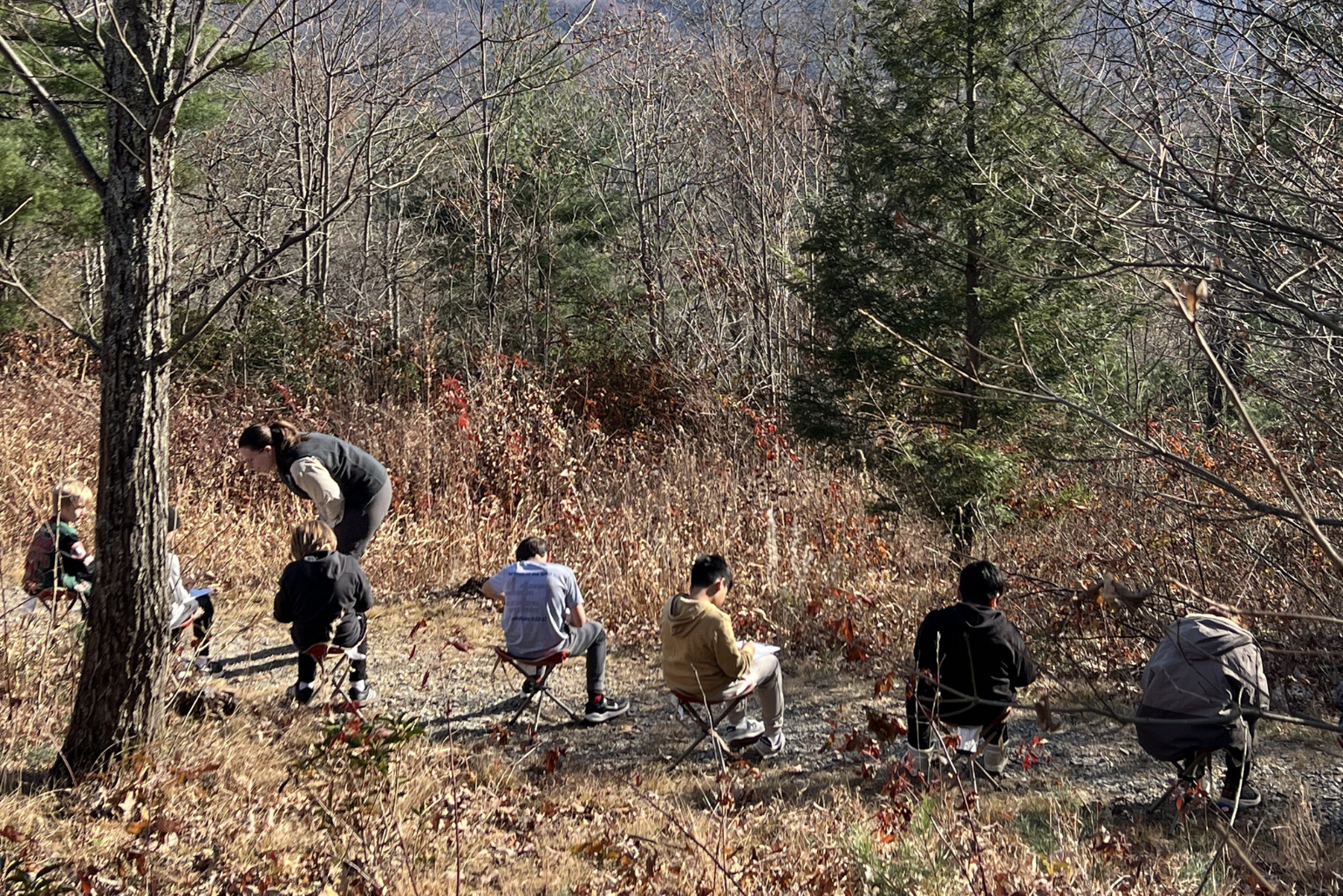
The result was a first-of-its-kind DNCR field trip in WNC: rotations through four themed activity stations, each led by professionals from different divisions of the agency. Students explored:
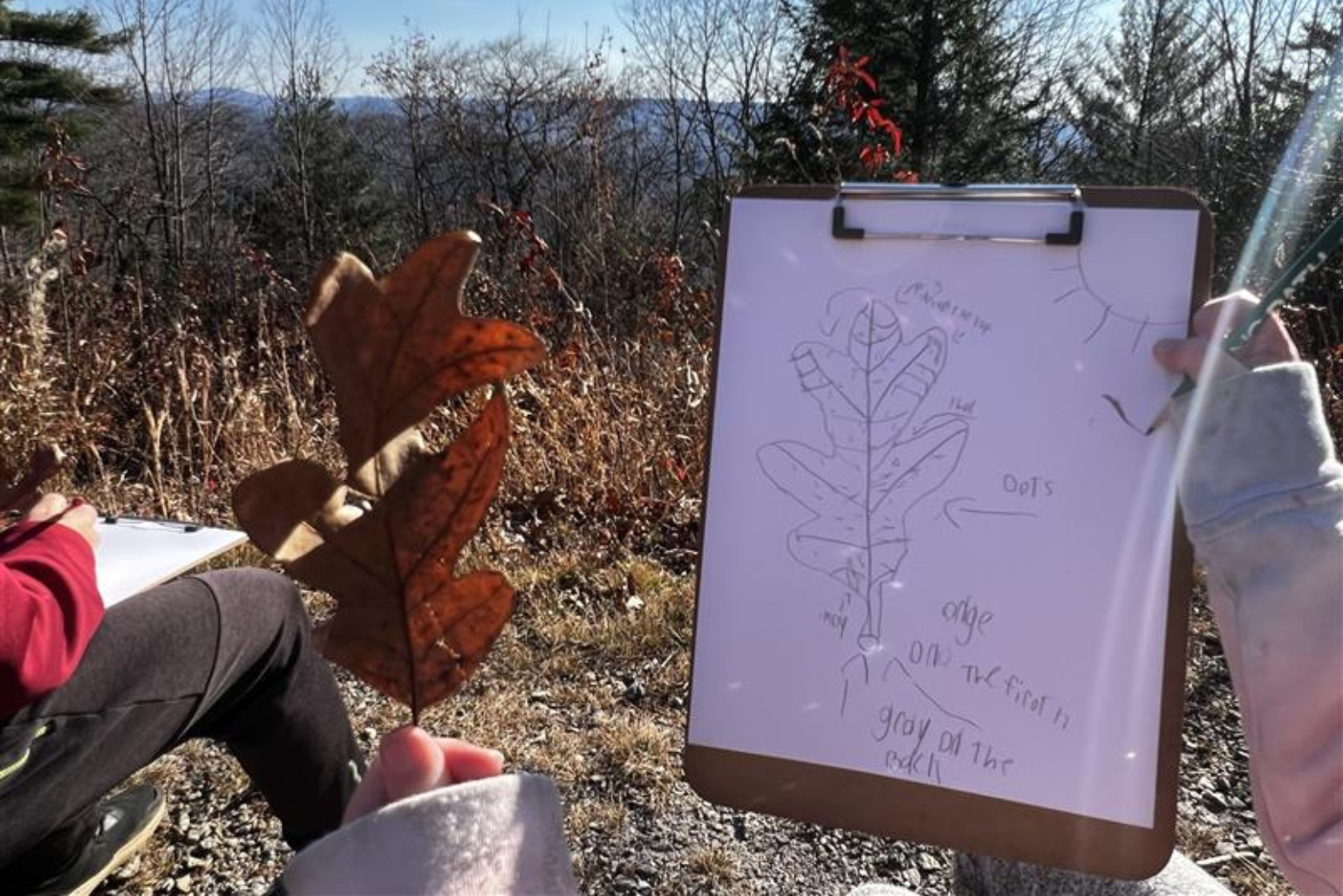
- Leaf observation and journaling, connecting science and art through close inspection and reflection with NC State Parks/Schools in Parks
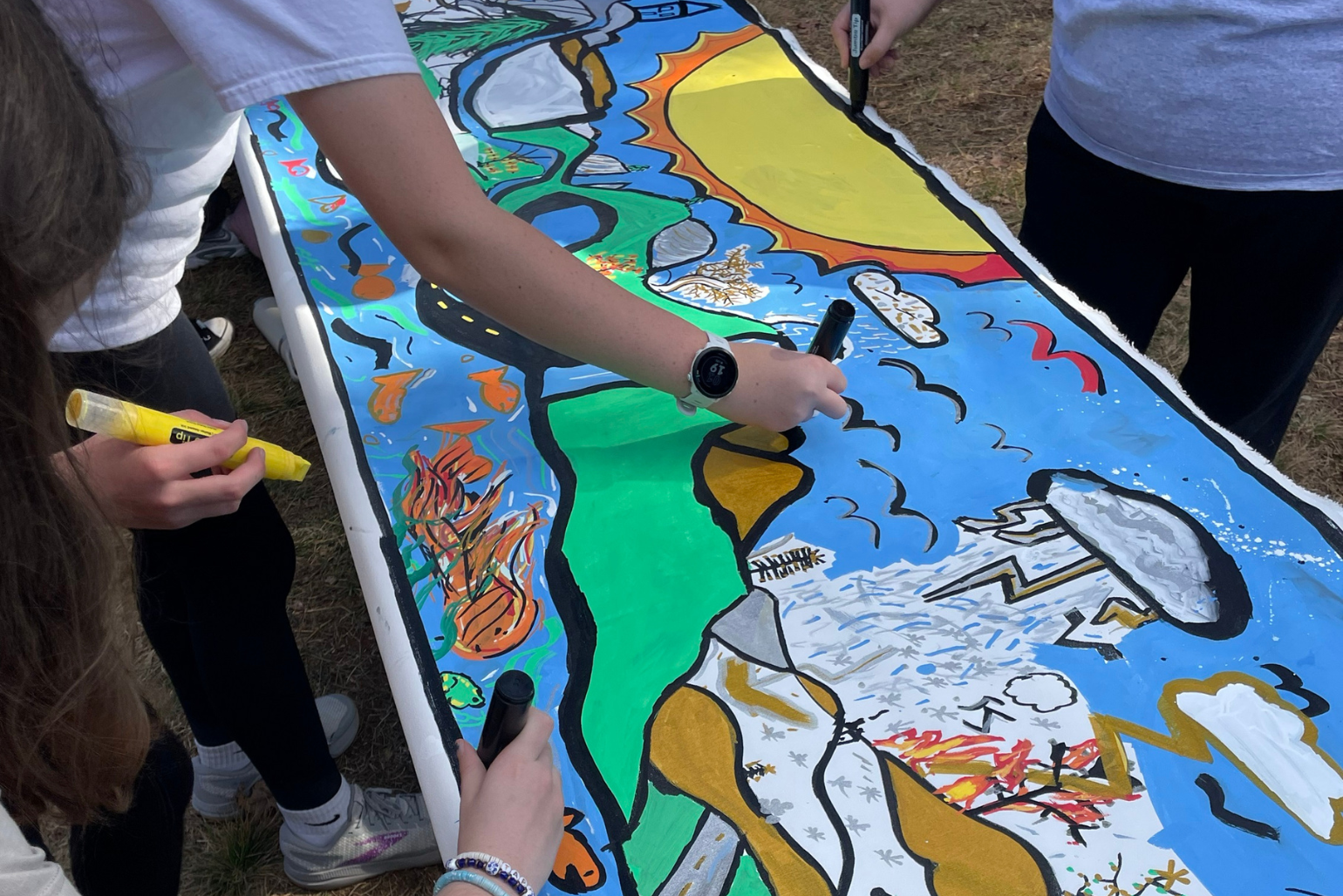
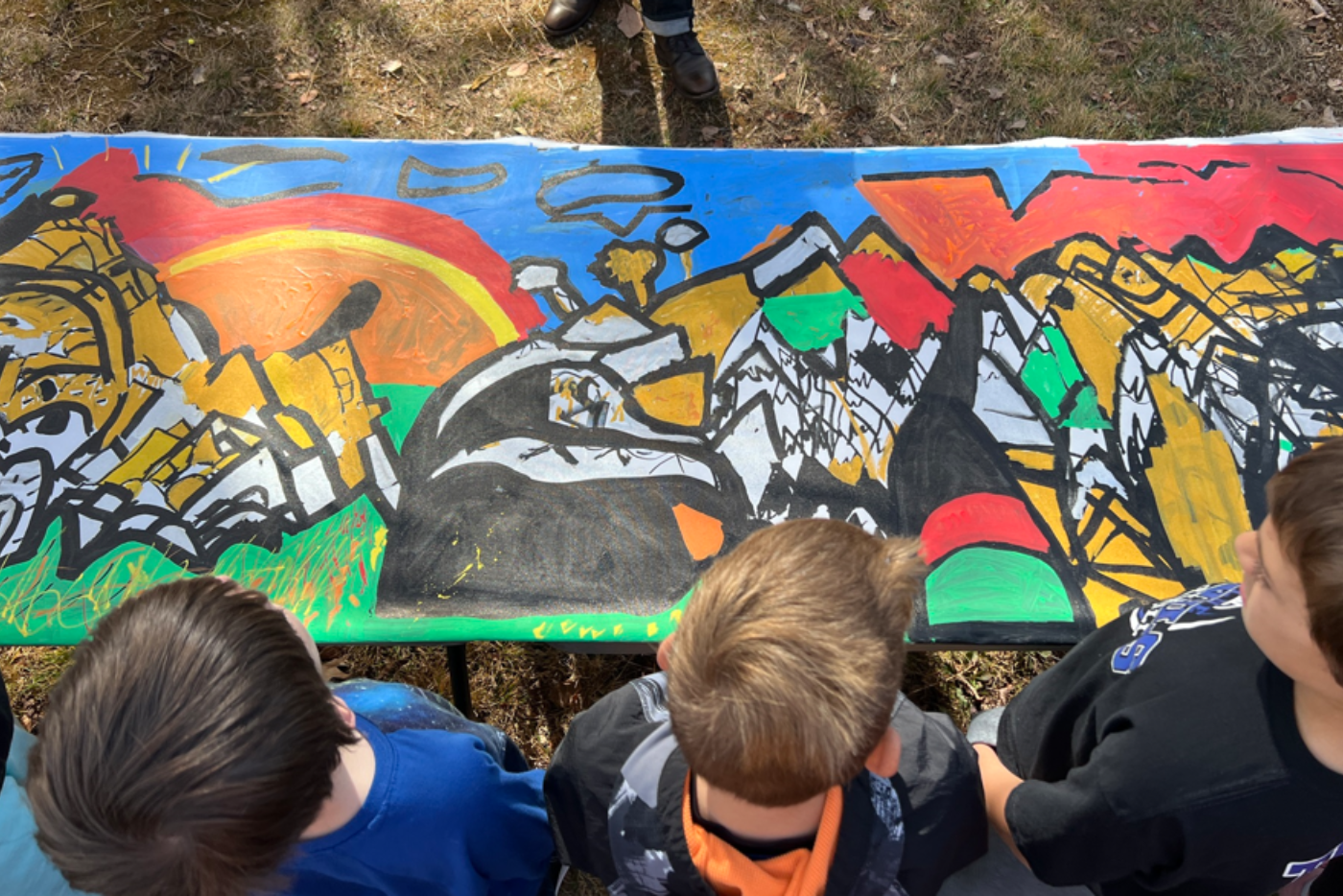
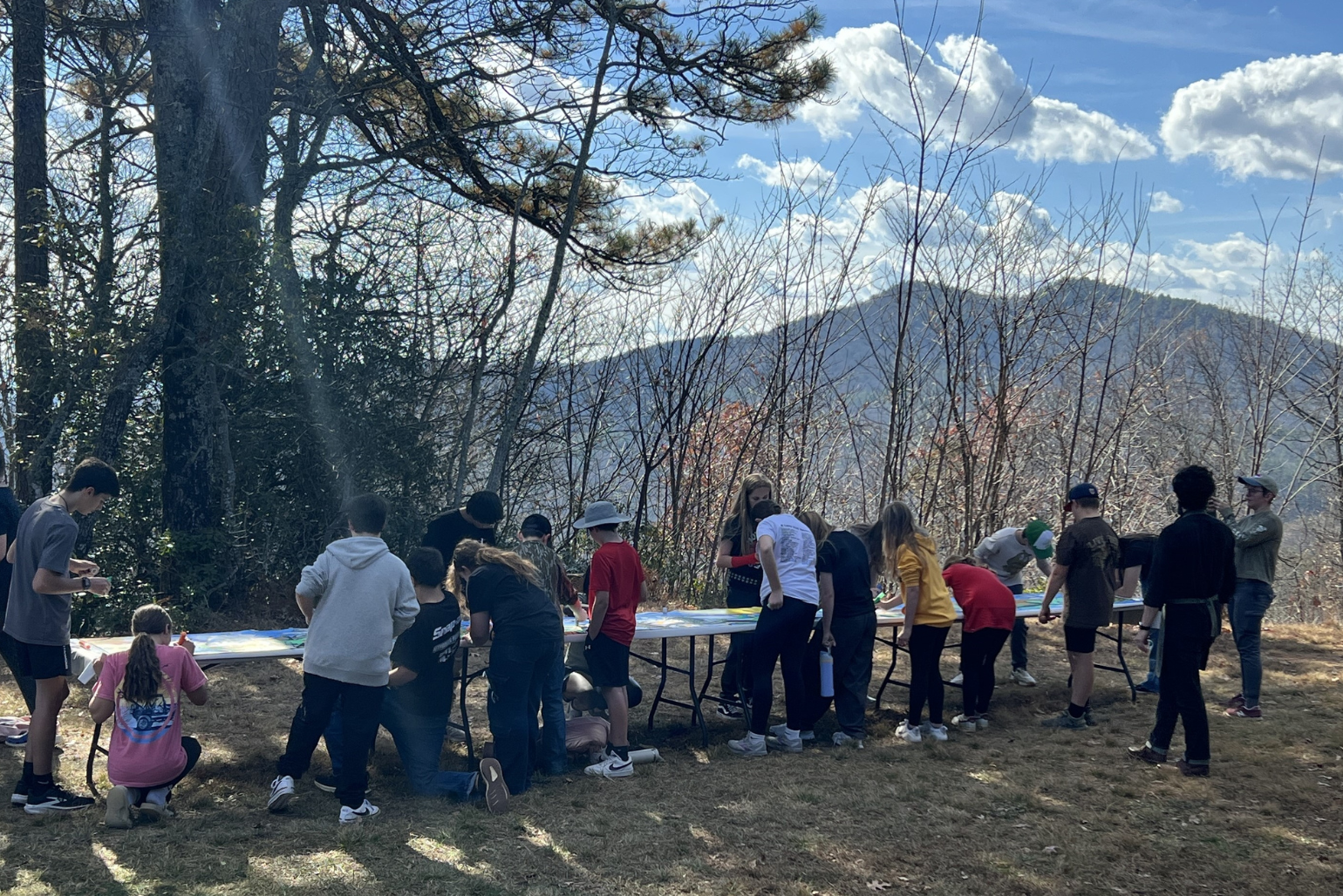
- A collaborative 24 foot long mural, where each group painted their own interpretation of the surrounding mountain landscape with the NC Museum of Art - Winston-Salem
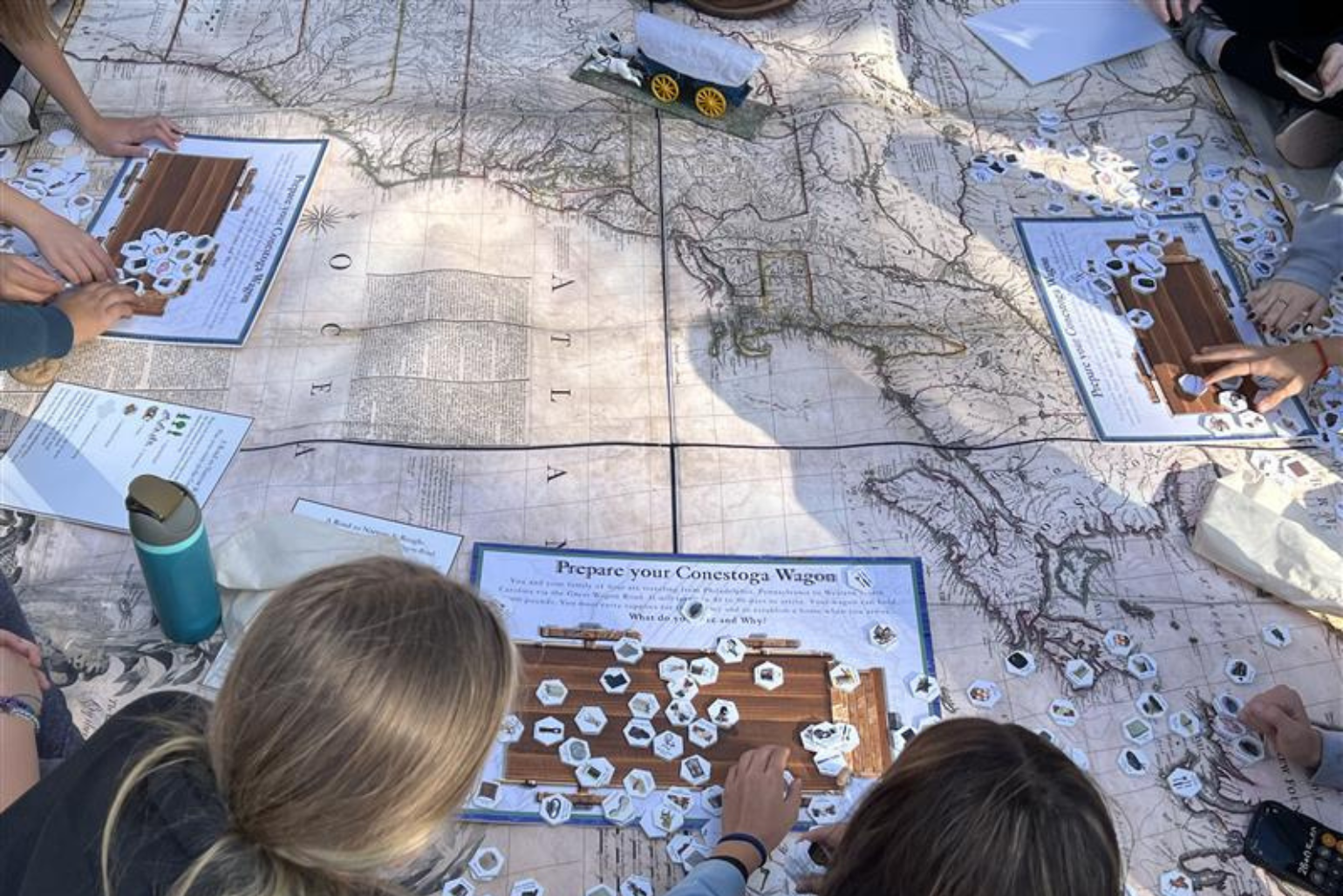
- A historical decision-making game, where teams navigated the Great Wagon Road and learned about early NC settlers with the Mountain Gateway Museum
- An archaeological dig simulation, where students examined real artifacts to infer their origins and uses with the Office of State Archeology
These weren’t passive experiences. Students were active and encouraged to touch, question, create, and collaborate. They met professionals in fields they’d never heard of, including archaeologists, park rangers, museum educators, and they began to imagine new possibilities for themselves.
One teacher shared the impact just a day later:
“Our students left more curious, more informed, and more connected to the world around them…exactly the kind of impact we hope for in experiential education.”
This field trip was more than a day in the woods. It was a celebration of place, a spark of possibility, and a step forward in healing. For communities still recovering from Hurricane Helene, it was also a reminder: learning happens here, and resilience grows when we invest in our students.
The trip absolutely met—and truly exceeded—our expectations for both educational and experiential value. Each station was thoughtfully designed, developmentally appropriate, and connected directly to concepts we want our students to understand: resilience, stewardship, cultural history, creative expression, and the long human story of Western North Carolina. - Erin McCoy, Hayesville Middle School.
Want to bring your students to a DNCR site?
Learn more about the Learning Happens Here Field Trip Fund, which supports public and public charter schools across North Carolina or reach out to the Office of K-12 Education & Outreach at educationoutreach@dncr.nc.gov.